Beverage Bottles: Sustainable Choices for Modern Consumers
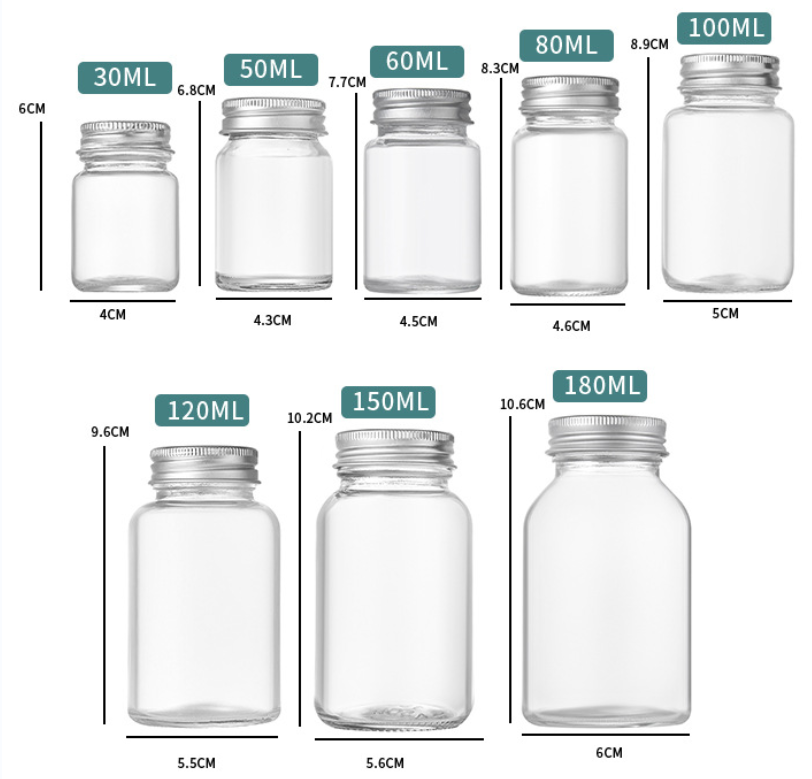 With growing awareness in the world of sustainability, people are starting to think about how their consumer choices effect our planet. Beverage bottles are one decision that is singularly crucial in affecting the health of our planet. As the problems of plastic waste polluting our oceans and landfills become ever more concerning, it is vital to investigate sustainable alternatives which can cater for the needs of modern consumers whilst also protecting our environment. Here we will be looking deeper into the changing ways that beverages are packaged, how this has similarly changed consumer behavior with reusable bottles within packaging, advances in design when manufacturing a Mason Jar bottle and finally choosing smart for more earth-friendly options as well speaks to why having a circular economy is important where beverage containers are concerned.
Vodka-New Way to a Clean Drink
There is a radical change in the beverage industry as companies realise that they desperately need environmentally friendly packaging options. Biodegradable materials, plant-based plastics and even edible packaging are replacing the traditional single-use plastic. With an eye on lessening environmental derogation and thereby a lesser carbon footprint having speedier decomposition, few creative substitutes: In addition, brands are also adopting minimalist mason jar mason jar designs with conservative use of materials, which is a contributing factor to sustainability goals. As well as overcoming environmental ails, this move is also indicative of the changing perceptions and demands of consumers gravitating towards green products thus promoting social corporate responsibility.
Using Bottles Again and Again
Reusable beverage bottles work as a badge of honour - representing our individual sustainable commitments. Fuelled by the exposure through campaigns and a want to reduce waste, consumers are choosing long lasting refillable options in materials such as stainless steel, glass or BPA-free plastics. This change encourages characteristics of behaviour that can be changed to take us towards a more zero waste lifestyle: around taking water bottles out an about, refilling at public stations and supporting businesses which do free top ups. And with refillable bottles available in your own desired customizable option, refills are not just a budget-friendly choice but turn the bottle into a stylish accessory that has been made for individual lifestyles and beliefs.
Bottle Designs New and Environment-friendly
The rapid technological advances of the century-old event have enabled innovative sustainable bottle designs. This is why I point out, what if there were self-cleaning bottles with UV-C technology that obviated the need to wash each item throughout the day using harsh detergents. Some bottles have insulating properties that can prevent the liquid contents from losing heat or getting too hot, making them a more user friendly and eco-conscious solution. Imagine tracking the exact time and volume that you drank water, smart bottles are nothing short of mindfully guiding people for healthy habits. More mason glass jar designers are looking at sustainable sources of production, such as a bottle made from fungi called mycelium (instead of plastic) and bamboo bottles that can biodegrade back into the environment.
Choosing Environmentally Friendly Bottles
It is a tough conundrum and for the green followers selecting bottles based on their ecological impact will be important. Material sourcing, manufacturing end of life disposability must all be given serious thought. Glass bottles, on the other hand are infinitely recyclable but since they weigh so much, their impact is greater when it comes to energy required in transportation and thus higher carbon emissions. They are durable, they reduce the impact on nature as it is reusable but stainless steel uses a considerable amount of energy in production. Once these trade-offs are grasped it allows shoppers the opportunity to shop in a sustainable way that reflects their sustainability desires. Consumers who care about the environment are more likely to choose brands that value transparency in their supply chains and boast a sustainable footprint, as these shoppers place equal importance on both staying up-to-date with technological advancements but also feeling many-armed connection back down through history of how planet + biologic life have been by looking toward future without asking hard questions.
The Future of Drink Bottles
It is the promise of a circular economy that ensures tomorrow's beverage bottles both contain and fulfil further unparalleled possibility. The circular economy that this entails keeps resources in use for as long as possible, extract the maximum value from them while they are still there and regenerate products or materials at their end of life. Some beverage companies are also studying the possibility of creating closed-loop systems in which recovered bottles could be recycled into new bottles or products to create a circular relationship with end packaging. Deposit return schemes and incentivized recycling programs are examples of circular economy schemes that involve the consumer. Inter-industry collaborations are essential for creating solution-scalable, such as chemical recycling technologies that change hard to recycle plastics into quality raw materials. Once circular becomes part of the mainstream, it will not be bottles that litter our beaches and landfills but rather they become the foundation for a new millennium where managing resources has to mean sustainability.
In summary, sustainability in beverage bottles is a complex issue involving innovation, changing consumerism and systemic transformation. The future of sustainability is bright, however - with consumers and businesses in the present setting up a rungs to climb on by adopting reusables alternatives, celebrating eco-conscious design transformations, engaging initiatives linked to circular economy. This tremendous collective work to reimagine and upend beverage packaging is tough for our shared existence on this planet with all its descendants.


Comments
Post a Comment