Precision Engineering with CNC Machining Parts
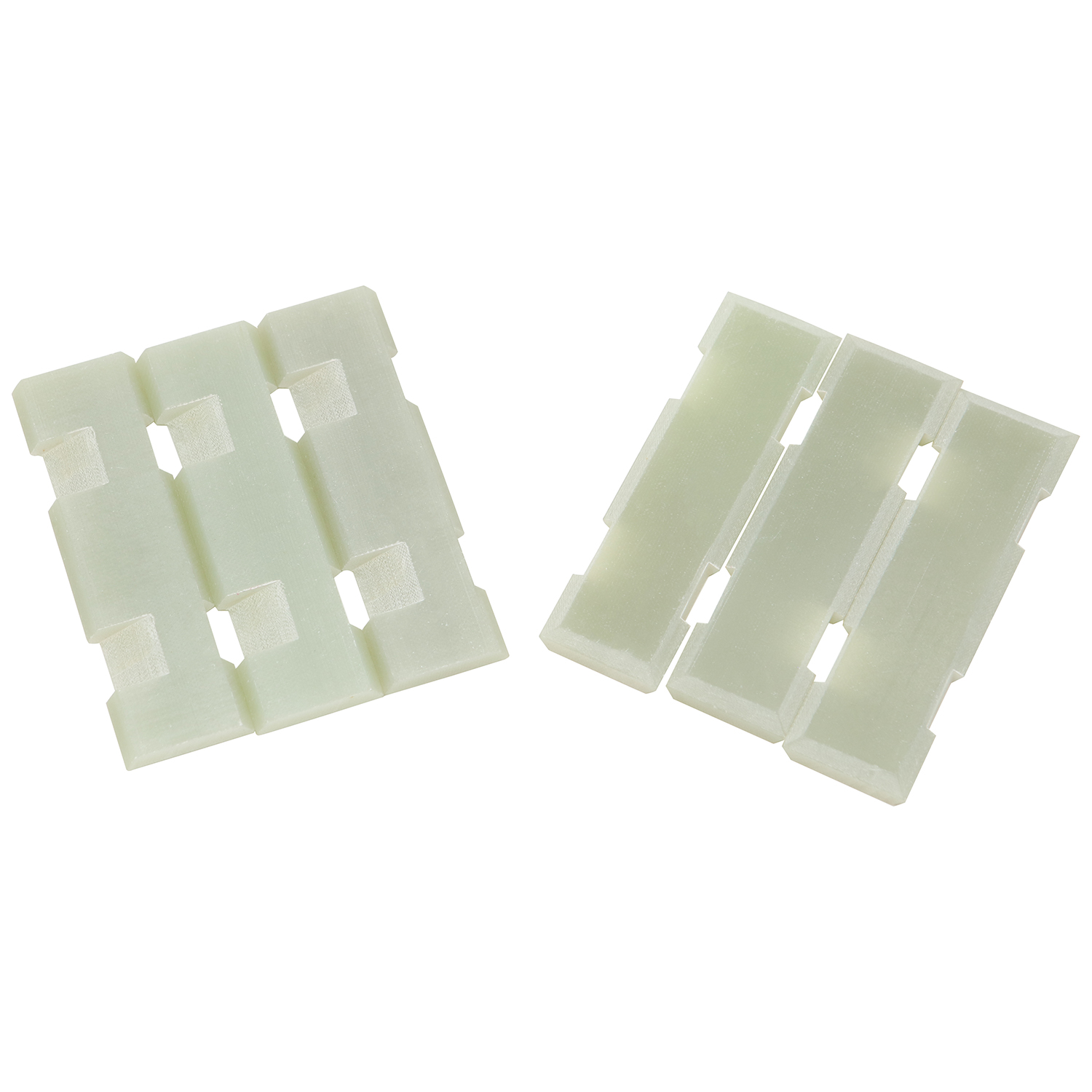 From its humble beginnings, precision engineering has progressed a great deal. The significant changes brought by technological advancements including the emergence of CNC machining The evolution of CNC, though the abbreviation Computer Numerical Control itself has undergone several form changes over the last five decades is a technology that redefined precision engineering.
By allowing the manufacture of highly precise and complex parts with ease, CNC machining has played an incredibly important role in manufacturing Epoxy Composites and precision engineering. With the detailed types of CNC machines, they can cut and form parts to stricter plans tolerances guaranteed ideal production consistency.
How CNC Technology is Impacting Precision Engineering
CNC technology was game changer for the conventional manual machining process. Machinists in days gone by were humans who fashioned parts out of cut blanks using machines that they had to manipulate by hand. This system of measuring gave the company some degree off accuracy, but it took time doing so and had potential for human error. CNC technology, however, has largely resolved all these problems by taking the procedure as a whole, out of manual handling.
Manufacturers and engineers can use CNC machines to reproduce complex parts many times over, where each repeated part is a precise copy of the Epoxy Fiberglass Laminate original with minimal human intervention. This functionality is what allows manufacturers to produce parts with the exact tolerances and designs needed.
Benefits of Using CNC Machining in Precision Engineering Projects
As an automatic process, the use of CNC technology assists engineers and manufacturers in producing highly accurate components without any human intervention. This not only reduces the chances of human errors but also guarantees a high level of consistency which is extremely important for industries working on precision engineering. The capabilities of CNC machines are unmistakable, they can work with metals, plastics and composites as even wood.
CNC machines run quicker than human machinists that implies even more quickly production perform, and eventually cheaper costs per portion. The process is also automated, reducing the threat of repetitive strain injuries that face operators of more traditional machinery.
Role of CNC Machining in Precision Engineering Industries
In the precision engineering industry, and with a turning point now reached as has been graphically stated by many in our own segment of coverage here at ENGINEERING.com already knows that multi-axis CNC machines (and especially five axis ones) are marching on to becoming standard for sectors including aerospace. Such machines provide precision, automatic operation and a range of production possibilities.
The aerospace industry requires precision in the range of a tenth or even tens of micrometres, and CNC machinery has enabled to Epoxy Fiberglass Tube manufacture parts which meet these exact tolerances. CNC machining is also employed to churn out the specially crafted instruments and implants used in medicine that must meet exacting standards.
CNC Parts Open The Door To Innovative Precision Engineering
Precision engineering is one of those fields where the trends keep on changing, and several technological advancements take place in this field continuously. CNC machining parts have been providing engineers with new means of manufacturing components. One of the many methods is through Additive Manufacturing (AM), or 3D Printing - creating parts by laying material down one layer at a time using CNC technology.
Another revolutionary revolution was the bringing together of robotics and automation with CNC machining. Robots are adept at handling several machines and they can perform numerous tasks as a result, improving the efficiency level of the whole manufacturing process.
In Conclusion:
CNC machining made a major breakthrough in the industry as one of the most important ones powered by an automated mechanism. CNC machining parts allow a level of precision in production that is nearly impossible to reach by other means, enabling the manufacture of precise and complicated components using engineering.
Moreover, the infusion of advanced technologies such as Additive Manufacturing and robots is here to revolutionize the precision engineering industries. These advances suggest a bright future for this field, with even more exciting innovations to come.


Comments
Post a Comment