Behind the Scenes of Nut and Bolt Manufacturing
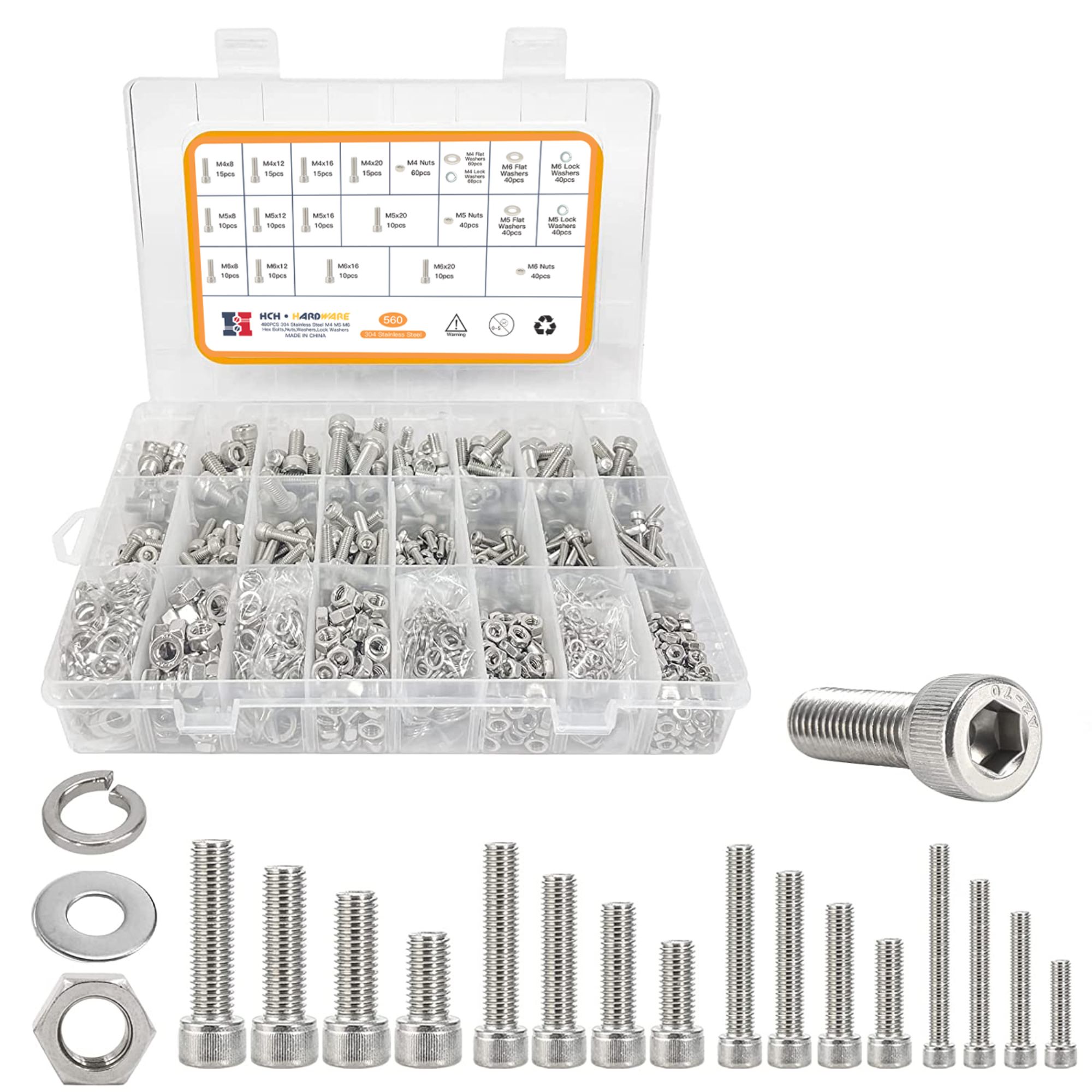 Do you have any idea how nuts and bolts are manufactured? Appearance wise, these small bits of metal might seem somewhat insignificant and straightforward looking-however this couldnt be further from the reality-it is actually a lot fo work to make them! Now, we will explore further the manufacturing process of making nuts and bolts so keep reading to learn about each steps.
How Nuts and Bolts are Made
The way in which one produces a nut - or maybe even a bolt, for that matter (the grain flow of steel animal husbandry? eh?) the first step is to select an appropriate grade/strength material. The metal had to be robust obviously what with workpieces to secure, but shapeable enough that the design could easily be achieved. Two types of metal that are most often used in a nuts and bolts: steel or brass. Steel provides strength and brass is nonfictional -- this combination of materials make these products both unique, strong and resistant to rust/corrosion.
In this way, after selection of appropriate metallic the next step is to mold all metal into long and thin rods. Shaping is vital because it conditions the metal for what follows next in this process. When they have been severed these rods are heated so that can be made Bolts flexible and molded to the desired shape. This heating process is necessary as it makes the metal soft enough to shape by hand without breaking. The softened rods then enter a dedicated machine that rotates them to form either the fastener head or nut shape.
Making Sure They Fit
Seems like nuts and bolts are simple, but it needs a lot of fineness. Without it being made just right, all these pieces would not fit together correctly and possibly even break when being installed into (using them in) other applications. So consequently, which makes qc essential from the producing procedure.
The jamming of this die indicates to the manufacturers that there is an error in any screw, nut or other component made from them. Dies are the molds that form and shape metal to create exactly what is required. Those who have used them there will confirm that each die is made specifically for one type of nut or bolt, with manufacturers having a wide selection of dies since nuts and bolts come in different sizes and shapes. This variety enables manufacturers to produce many different products, and the wide diversity is geared towards meeting a broad spectrum of needs.
Challenges With The Development of Nuts and Bolts
The production of nuts and bolts has evolved significantly over the years; thanks mainly to advances in technology & innovations within this Market Nuts segment. Manufacturers have many challenges today; competition from other countries producing nuts and bolts, insurance claims for employee injuries occurs each year in all factories of even the best operations.
In this highly competitive market, manufacturers strive hard to make nuts and bolts in much faster ways. What we are starting to see now, however, is the use of innovative techniques like 3d printing by some companies to make custom nuts and bolts. This makes room for a high level of personalisation and items in unique shapes that weren't available pre-Shapeways. This allows manufacturers to use newer and stronger materials such as titanium, which in turn offers a bit more of both strength ad durability for the products.
The People Behind the Process
Producing nuts and bolts is quite a complex task which involves high quality work-manship to ensure smooth running of production. Handwork is, however still required to produce many types of the nut and bolt. Consequently skill levels have once again Washers become important alongside concentration for this type of job by workers. So whether it be the color or texture, every single spec of detail matters as you want to reach a quality check.
But with the advancements in technology nuts and bolts are now being manufactured at a higher scale due to machines. This is the change where there are changes in jobs available in industry. Although less workers may be needed for the heavy lifting, more are now required as at least two operators operate and maintain these sophisticated equipment. This shift is leading the way for new opportunities as well as challenges in terms of workforce.
To sum up, although nuts and bolts might appear minuscule and as easy but in reality they are the one of the key element for any job or output thus require good amount skills to make them. Stay updated- The nut and bolt industry may be interesting but it is also a constantly evolving one that does not have much patience for laxity. Knowing how they are manufactured gives us more insight on what this small thing does in our day to day living.


Comments
Post a Comment