Quality Control in Welded Steel Pipe Manufacturing
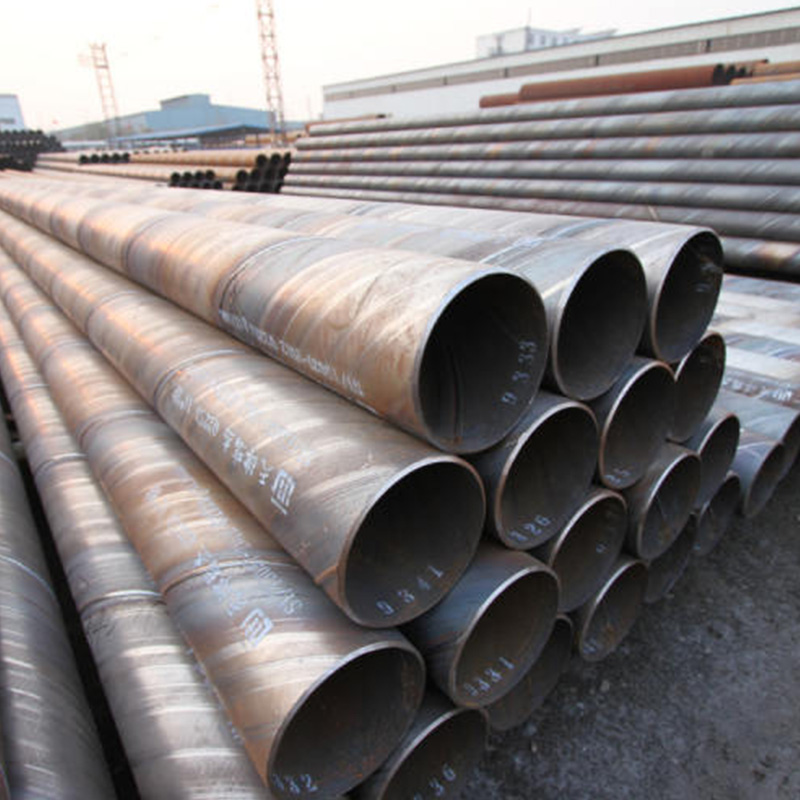 A lot of the time, it is impossible to think about surviving in this world without welded steel pipes since that play a significant role. They are used in so many places, the oil and gas industries use them to get things from one place to another, construction when buildings are being built transportation.task. These pipes are huge parts of our daily tasks, and they should be checked for their quality. This is done mostly to verify that they can safely be tested and reliably work before your software team disconnect the knowledge of writing automated tests for it, while adding new cool features.
What is Quality Control?
Quality control is the process by which you check that your product is made correctly. For this reason, the quality control management of welded steel pipes is emphasized so that thick-walled and thin single-welded pipe penetration test rods can be produced. If you SSAW Steel Pipe make a high-quality pipe, the chance is low it will break down or leak as well and that's important because people can easily get hurt. A pipe, leaking or burst can cause much harm and potential damage to people so this is where quality control comes in.
How is Quality Control Done?
The welded steel pipes are manufactured using a special process and they come in several stages to ensure the quality. Step 1: Choosing the right materials In order to create pipes as strong and reliable ones, manufacturers must get their hands on good steel which means they should put their trust in suppliers of high-grade materials. This is important as the quality of the raw material has wonderful essence in determining he final thing.
Once you have selected the appropriate materials, it is time to cut and prepare your steel pipe for welding. If the pipes are clean and sized correctly, welding works correctly. If any dirt or other substance is on the pipes, then that can cause bad welding as well. The SSAW For Steel Pipe Piles welding process also must be carried out with great care and precision so that the pipes are of suitable quality when finished.
Post Weld Inspection of Pipes
After the pipes are welded, they have to be inspected by a bunch of people who know what good piping looks like and how bad flow or rot could look. They do this primarily by inspecting the pipes up close to determine whether there are any visible issues with the naked eye. This is simply called visual inspection. Not only do they get in close to examine for signs of damage, but there are also special tests that can be done noninvasively which would otherwise remain hidden from plain sight.
Ultrasound testing and radiography are some of these often utility special tests. These tests can be incredibly useful as you have the ability to see issues in or outside of your pipes. In addition to visual checks and special tests, the strength of the pipe is evaluated. So SSAW For Insulated Pipes we test their tensile strength-how much force they can withstand before they snap. Very cool also needs ain spite of everything, where only the most good pipelines are made and used.
Weld Quality Control and Coating Application
The manufacture of steel pipes often involves welding, so this aspect must be taken into account when controlling the quality. This will ensure that the quality of final welding is high and therefore, workers must have their welding process temperature just right with a steady speed during the time they weld. If either of the two is slightly off, it may result in a malfunction on the pipes.
It is also important to coat the pipelines with protective materials. In the case of coating, quality control consists in ensuring that the coating is applied homogeneously and adequately adheres to pipe's surface. The coating material should be able to help the pipes from corrosion and fatigue in long run. That keeps the pipes around ten to 15 years longer which should work fine.
Following Rules and Standards
In addition to applying the rules established by entities such as ASME, API to comply with quality control and maintain their production processes. These are formal organizations that set criteria and regulations for welded steel pipes in terms of strength and longevity.
Specific tests check that the pipes manufactured by them meet these key standards. Failure to comply or reputation blow up would be also associated with major legal issues that could licences lost. This would potentially result in negative feedback and hurt their business, so quality control matters across the board.
Conclusion
Overall, quality matters in the production of welded steel pipes to ensure that this long-used and vital invention works appropriately. To give it a quality check manufacturers need to do the right thing in selecting good materials for piping, They must have to weld the pipes with care avoiding all kind of welding defects then after applying protective coatings and finally needs a thorough testing. Adhering to these laws and guidelines is important in ensuring that the products themselves adhere to high quality measurements and are safe for anyone who uses them. This ensures that not only the manufacturers but also those who employ these kinds of pipes in their day to day lives are safe.


Comments
Post a Comment